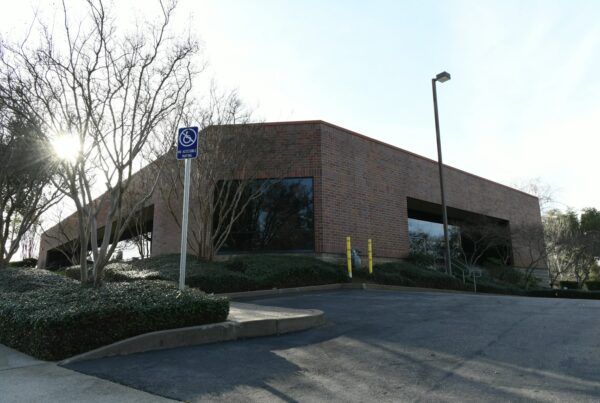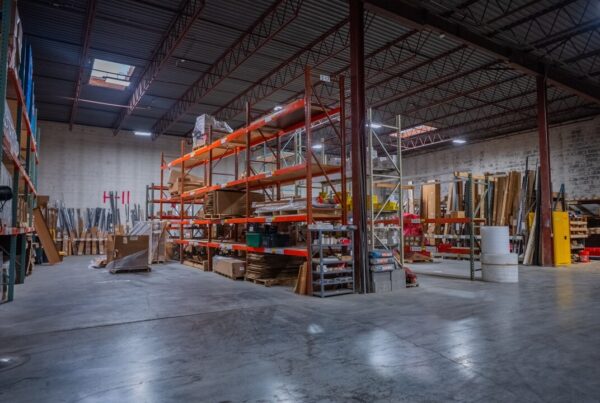

Commercial real estate is a dynamic and complex industry that requires specialized skills to manage properties effectively. Whether it’s an office building, retail space, or industrial facility, the role of property management is crucial in ensuring these assets are well-maintained, profitable, and aligned with the owner’s goals. Understanding the importance of property management in commercial real estate can help investors and property owners maximize their investments.
Understanding Property Management in Commercial Real Estate
Property management in commercial real estate encompasses a wide range of responsibilities that go beyond simply maintaining a property. It involves strategic planning, tenant relations, financial management, and ensuring the property remains compliant with legal regulations. A well-managed property not only retains its value but can also enhance the tenant experience, which in turn leads to higher occupancy rates and better returns.
Key Responsibilities of Commercial Property Managers
- Tenant Relations and Lease Management
One of the core roles of property management in commercial real estate is maintaining positive tenant relations. This involves handling tenant inquiries, addressing maintenance requests promptly, and ensuring that lease terms are upheld. Good tenant relations contribute to tenant retention, reducing vacancy rates and the costs associated with finding new tenants.
Lease management is another critical responsibility. Property managers are tasked with negotiating lease terms, renewing leases, and ensuring that rent is collected on time. They must also stay up-to-date with market trends to recommend competitive lease rates that attract quality tenants while maximizing the property’s income potential. - Maintenance and Repairs
Keeping the property in good condition is essential for maintaining its value and appeal. Property managers oversee routine maintenance, handle emergency repairs, and coordinate with service providers. Regular inspections are conducted to identify potential issues before they become costly problems. Effective maintenance management not only ensures tenant satisfaction but also protects the owner’s investment in the long term. - Financial Management and Budgeting
A significant aspect of commercial property management is financial oversight. This includes preparing annual budgets, managing expenses, and ensuring the property generates the expected revenue. Property managers are responsible for tracking income and expenses, preparing financial reports, and providing owners with a clear picture of their investment performance.
Proper financial management helps in identifying areas where costs can be reduced without compromising on service quality. It also involves managing reserve funds for capital improvements, ensuring the property remains competitive and attractive to potential tenants. - Marketing and Leasing Strategies
Property managers play a key role in marketing vacant spaces and implementing leasing strategies that attract the right tenants. This involves advertising available spaces, showing properties, and negotiating lease agreements. A proactive approach to marketing ensures that vacancies are filled quickly, reducing the financial impact of empty units on the property’s overall profitability. - Legal Compliance and Risk Management
Commercial properties must comply with various local, state, and federal regulations. Property managers are responsible for ensuring that the property meets all safety standards, health regulations, and building codes. They must also stay informed about changes in legislation that could affect the property or its operations.
Risk management is another critical component of property management. This involves ensuring proper insurance coverage, addressing potential liability issues, and implementing safety protocols. Effective risk management protects both the property owner and the tenants, reducing the likelihood of costly legal disputes.
Property Management Tips for Commercial Real Estate Owners
- Choose the Right Property Manager
Selecting a property manager with experience in commercial real estate is essential. Look for a firm that understands the unique challenges of managing commercial properties and has a proven track record of success. - Invest in Preventative Maintenance
Preventative maintenance tends to save costs compared to the higher expenses of emergency repairs. Regular inspections and scheduled maintenance help identify issues early, saving money and preventing downtime for tenants. A proactive approach to maintenance ensures the property remains in top condition, enhancing its marketability and tenant satisfaction. - Maintain Open Communication with Tenants
Effective property management is built on a foundation of clear and consistent communication. Regularly engage with tenants to understand their needs, address concerns promptly, and keep them informed about any property changes or updates. Happy tenants are more likely to renew their leases, reducing turnover and keeping occupancy rates high. - Monitor Market Trends
Staying informed about market trends can help property managers make strategic decisions regarding lease rates, marketing strategies, and property improvements. Understanding the competitive landscape allows property managers to position the property effectively, attracting quality tenants and maximizing rental income. - Utilize Technology for Efficiency
Modern property management software can streamline many aspects of property management, from tracking maintenance requests to generating financial reports. Utilizing technology can improve efficiency, reduce errors, and provide real-time insights into the property’s performance. Property owners should work with managers who leverage the latest technology to enhance the management process.
The Value of Property Management in Kansas City
Kansas City is a thriving commercial real estate market with diverse opportunities for investors. However, managing commercial properties in this competitive environment requires expertise and local knowledge. Property management firms bring a wealth of experience to the table, offering services tailored to the unique needs of the Kansas City market.
From maintaining high occupancy rates to managing day-to-day operations, property managers play a pivotal role in the success of commercial real estate investments. By partnering with a skilled property management team, property owners can focus on their core business while ensuring their investments are managed professionally and profitably.
Enhancing Property Value with Expert Management
The role of property management in commercial real estate cannot be overstated. It encompasses a wide range of responsibilities that are crucial for the success and profitability of a property. By handling tenant relations, maintenance, financial management, and compliance, property managers help protect and enhance the value of commercial properties. For property owners looking to maximize their investments, partnering with an experienced property management firm is a strategic decision that can lead to long-term success.