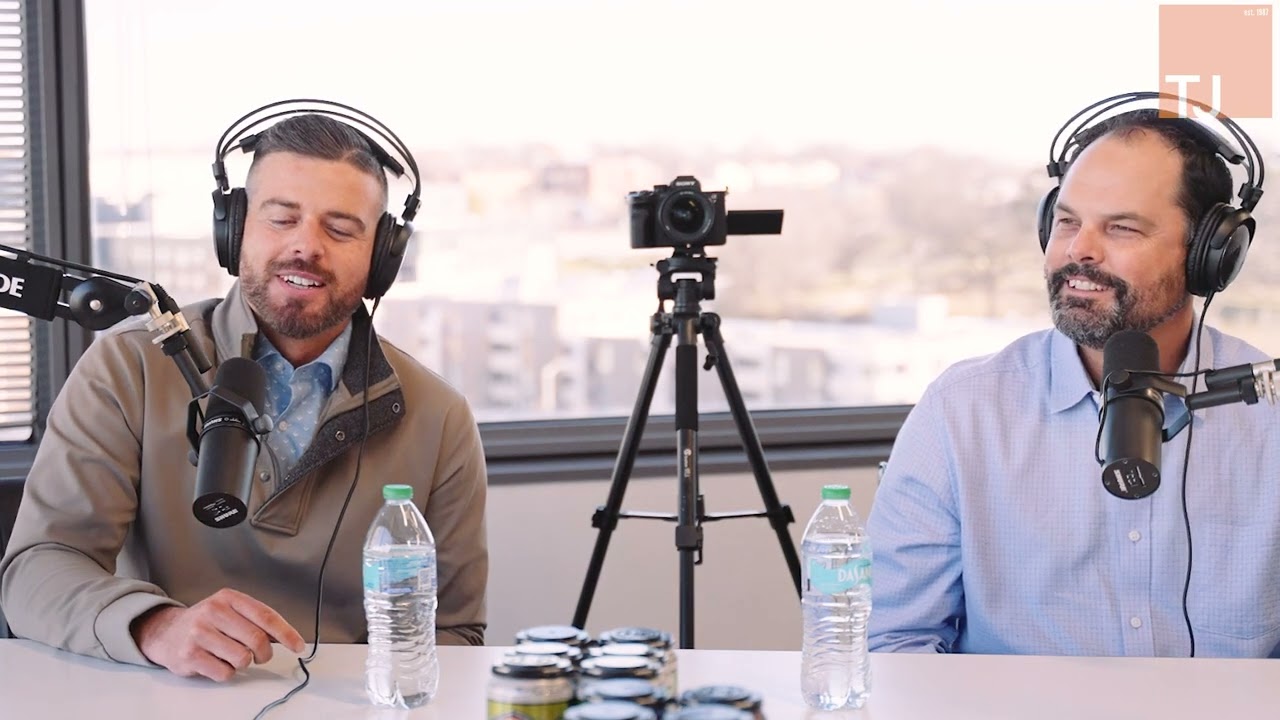
On Aire Ep. 24 w/ Justin Maxson & Reuben Kerbs of NCRI – The Art of Industrial Real Estate Podcast
🎧 On Aire Ep. 24 w/ Justin Maxson & Reuben Kerbs of NCRI – The Art of Industrial Real Estate Podcast
In this episode of On Aire with Team Jensen, the team sits down with Justin Maxson and Reuben Kerbs from National Catastrophe Restoration Inc. (NCRI) to dive into the high-stakes world of disaster recovery, emergency facility stabilization, and large-scale commercial property restoration. When a crisis strikes an industrial asset, the clock immediately starts ticking against the company’s bottom line. Justin and Reuben pull back the curtain on how they mitigate multi-million dollar losses, navigate structural compromises, and build strategic resilience plans to get major corporate fulfillment and logistics centers operational after catastrophic events.
🏢 Capital Preservation Through Immediate Stabilization
When a disaster like a major fire, flood, or extreme weather event hits a commercial property, any delayed response results in severe business interruption and massive revenue erosion. The team outlines the operational mechanics of stepping onto a complex industrial job site under maximum duress. NCRI’s primary directive is immediate structural stabilization and environmental envelope containment—insulating the client’s remaining inventory, machinery, and equipment assets from further degradation before executing a complete cleanup blueprint.
📦 The Evolving Risks of High-Cube Envelopes
As the industrial real estate landscape scales up with modern 36-foot to 40-foot clear height distribution boxes, the mitigation hurdles scale up with it. The guests break down how massive facility footprints create unique structural drying, smoke remediation, and thermodynamic challenges that general restoration companies simply aren’t equipped to handle. Landlords and tenants must look closely at their facilities’ specific risks—especially with high-density processing gear and heavy electrical layouts—to prevent minor building failures from expanding into permanent asset write-offs.
🔍 Shifting Pre-Loss Strategy Past Public Channels
The conversation heavily connects back to a foundational theme: proactive risk management relies entirely on tracking private off-market data and establishing plans long before an event occurs. Relying on basic post-disaster insurance calling or generic public provider listings means an operator is already weeks behind the recovery curve. True continuity planning is unlocked through specialized, off-market contingency mapping—establishing strict corporate response protocols and pre-loss restoration agreements to guarantee immediate heavy equipment deployment during widespread regional emergencies.
Learn more about BluHawk at www.bluhawk.com
Follow Team Jensen for more insider episodes on Kansas City CRE.